
US Conducts Bombing Exercises Off the Coast of Puerto Rico
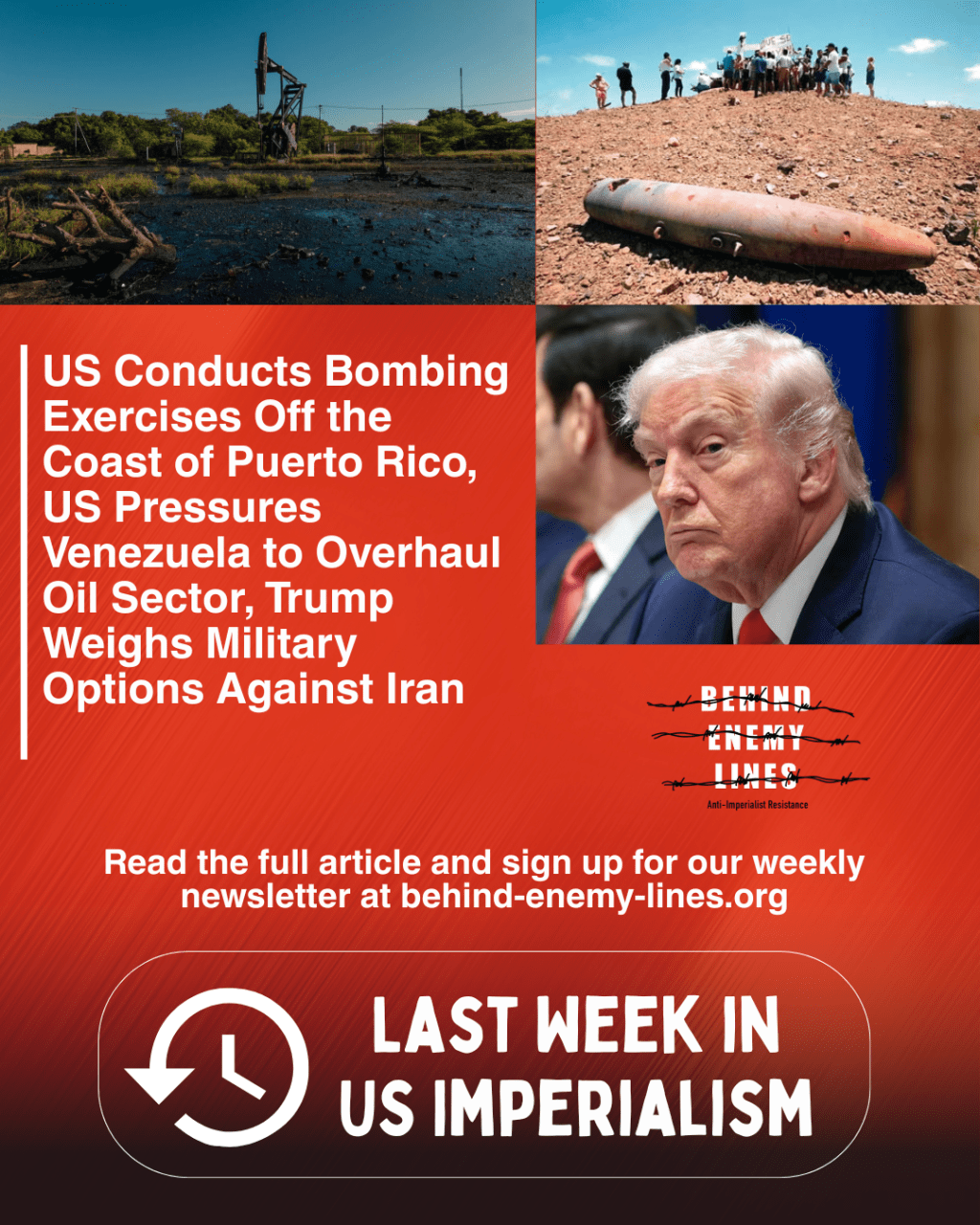
The US Coast Guard has confirmed they are conducting bombing exercises off the coast of Puerto Rico. Weapons testing in the seas of the Caribbean is nothing new; in the past several months alone the US military has had a prominent nautical presence there, along with having longstanding history exploiting the land and sea for its testing of lethal weaponry to be later used across the globe in the interest of furthering US imperialism.
In 2025, the US Navy described the deployment of “more than a dozen warships, a nuclear submarine, F-35 stealth fighters, and 10,000 troops” to the Caribbean waters for the purpose of “regional readiness.” Regional readiness translates to deadly attacks on Colombian and Venezuelan fishing vessels, falsely alleging they were transporting drugs, labeling them “narco-terrorists”; the seizure of Venezuelan oil tankers; and the overarching goal of the destabilization of Latin America—implementing the Monroe Doctrine 2.0.
Just one week into the new year, the US military had dropped its first bomb on a boat off the coast of Venezuela. This was followed by the illegal invasion of a sovereign nation and the kidnapping of Venezuela’s President Maduro and the First Lady; to this day, they remain incarcerated in the US.
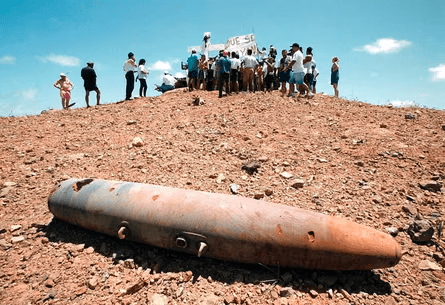
Puerto Rico—a colony of the US since 1898, where the residents of the archipelago have US citizenship but cannot vote and its efforts for liberation and self determination have been repressed—is no stranger to the exploitation of its land and its people. In 1941, the US Navy usurped 3/4s of the island of Vieques, forcing the residents into what remained, and carried out weapons testing, bombing exercises, “dropping around three million pounds of napalm, depleted uranium, and other toxic chemicals onto the land.” To this day, those on Vieques display the highest rates of cancer across all of Puerto Rico.
It wasn’t until 1999, when the US Navy “dropped a five hundred pound bomb on David Sanes, a Vieques resident who worked on the base, killing him instantly” that Puerto Ricans in Vieques rose up in rebellion. A few years later, in 2003, the US Navy closed its base, ending 60+ year tenure, though the lasting effects of the weapons testing remains.
Now, with the US military escalation in the Caribbean, we are seeing a resurgence in the use of the Puerto Rico for weapons testing; these same weapons are used to kill the people of Palestine, Yemen, Venezuela, and more.
Sources:
https://twitter.com/Flightwatcher1/status/2016464055574163766
https://www.laprogressive.com/war-and-peace/lessons-from-vieques
https://www.zinnedproject.org/news/tdih/us-ends-bombing-exercises/
https://www.yahoo.com/news/articles/vanishing-view-two-us-seized-015614558.html
https://taskandpurpose.com/news/us-boat-strike-eastern-pacific/
https://peoplesdispatch.org/2026/01/30/puerto-rico-venezuela-and-weaponized-colonialism/
https://www.instagram.com/reel/DTY9cpYEoV4/
US Pressures Venezuela to Overhaul Oil Sector
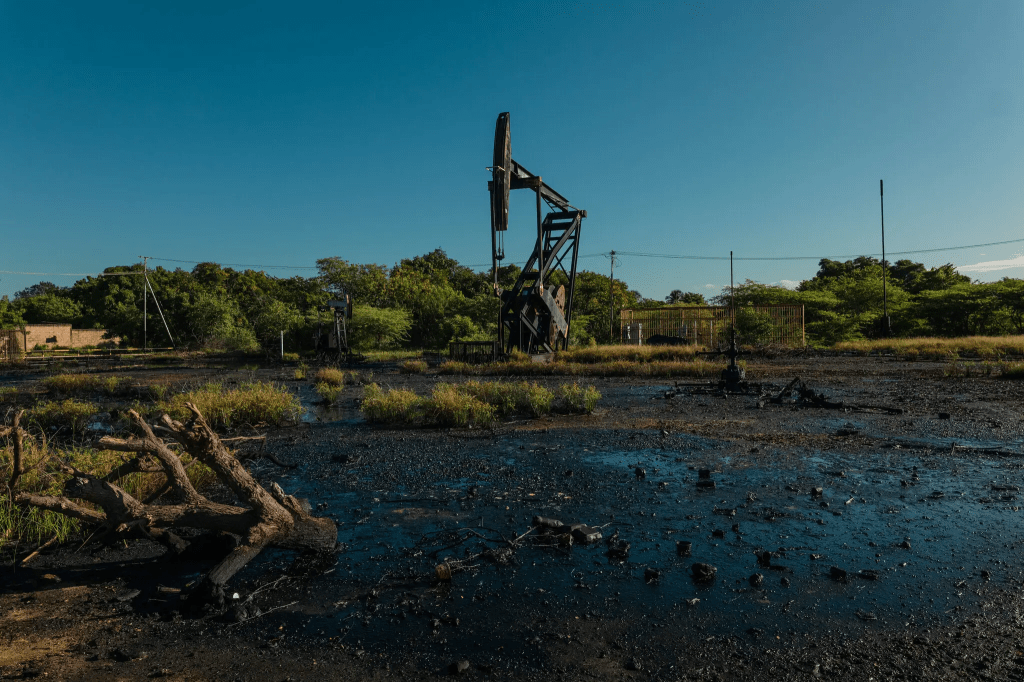
Last week, the Venezuelan government rewrote its hydrocarbons law, cut PDVSA’s control, and handed foreign and transnational oil companies greater authority over production, marketing, and revenues.
For years, the United States enforced sanctions and financial warfare that collapsed Venezuela’s economy and cornered the state into concessions over its most strategic resource. US policy narrowed Venezuela’s options until privatization became the price of limited access to oil markets.
Washington imposed the sanctions and now controls their partial relaxation. US officials use sanctions licenses and selective waivers as leverage, conditioning Venezuela’s access to global markets on restructuring its energy sector for foreign extraction and profit.
Sources:
https://www.nytimes.com/2026/01/29/world/americas/venezuela-new-law-oil-foreign-companies.html
Trump Weighs Military Options Against Iran
As the mass protests in Iran are crushed, Washington seems stuck on how to proceed with Iran. Even after 4 weeks of destabilization and over 6,000 people killed by the government — with some medical estimates floating a toll closer to 33,000 — the Iranian leadership has remained firmly uncontested.
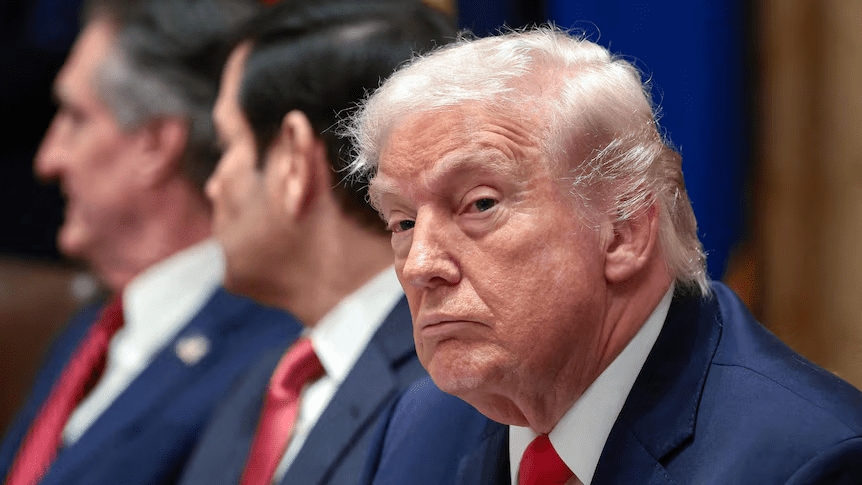
Trump has been weighing a few options to escalate a military offensive against Iran:
- A strike to destroy Iran’s nuclear program, bigger and stronger than the 12-Day War campaign last June. An “armada” of dozens of aircraft carriers and warships arrived to encircle Iran last week and are already positioned within striking distance. Trump is pressuring Iran to take a deal to relinquish current nuclear stockpiles, prevent future rebuilding efforts by ending the enrichment of uranium, limit the quantity and range of ballistic missiles, and critically, sever all support for Hamas, Hezbollah, and the Houthis.
- Strike symbolic targets to fuel protestors with renewed confidence to topple their government. Trump recently backed out of military action when the Iranian government canceled hundreds of scheduled executions. He has since recommitted to his promise to punish Iran on behalf of the protestors, though US officials worry a strike now may only further disable a crumbling movement. Trump appears poised to orchestrate regime change, which Marco Rubio admits “would be even far more complex” than the cowardly US campaign in Venezuela. The US does not have a puppet leader ready to be installed; even if they deposed or killed Khamenei, officials in the Islamic Revolutionary Guard Corps, who have already taken over day-to-day governing operations, would likely take over.
- A senior Israeli official urged Washington that ground operations, not just airstrikes, would be necessary in order to neutralize Iran, but Trump seems reluctant to put American boots on the ground. Israel has also proposed the US join them in re-striking Iran’s ballistic missile program, which intelligence authorities claim have mostly been restored since June.
Meanwhile, the Iranian state has retained a substantial social base mobilized in its support, as seen in state media footage of pro-government protestors numbered in the tens of thousands holding up Iranian flags and portraits of Khamenei. They also show few signs of weakness and appear to, as they always have, stand firm against de-escalating the nuclear program and disarming regional anti-Zionist forces. Military officials affirmed that should the US instigate an act of war, Iran will retaliate “like never before,” starting with Israel.
Sources:
https://www.nytimes.com/2026/01/29/us/trump-military-options-against-iran.html
 Behind Enemy Lines